
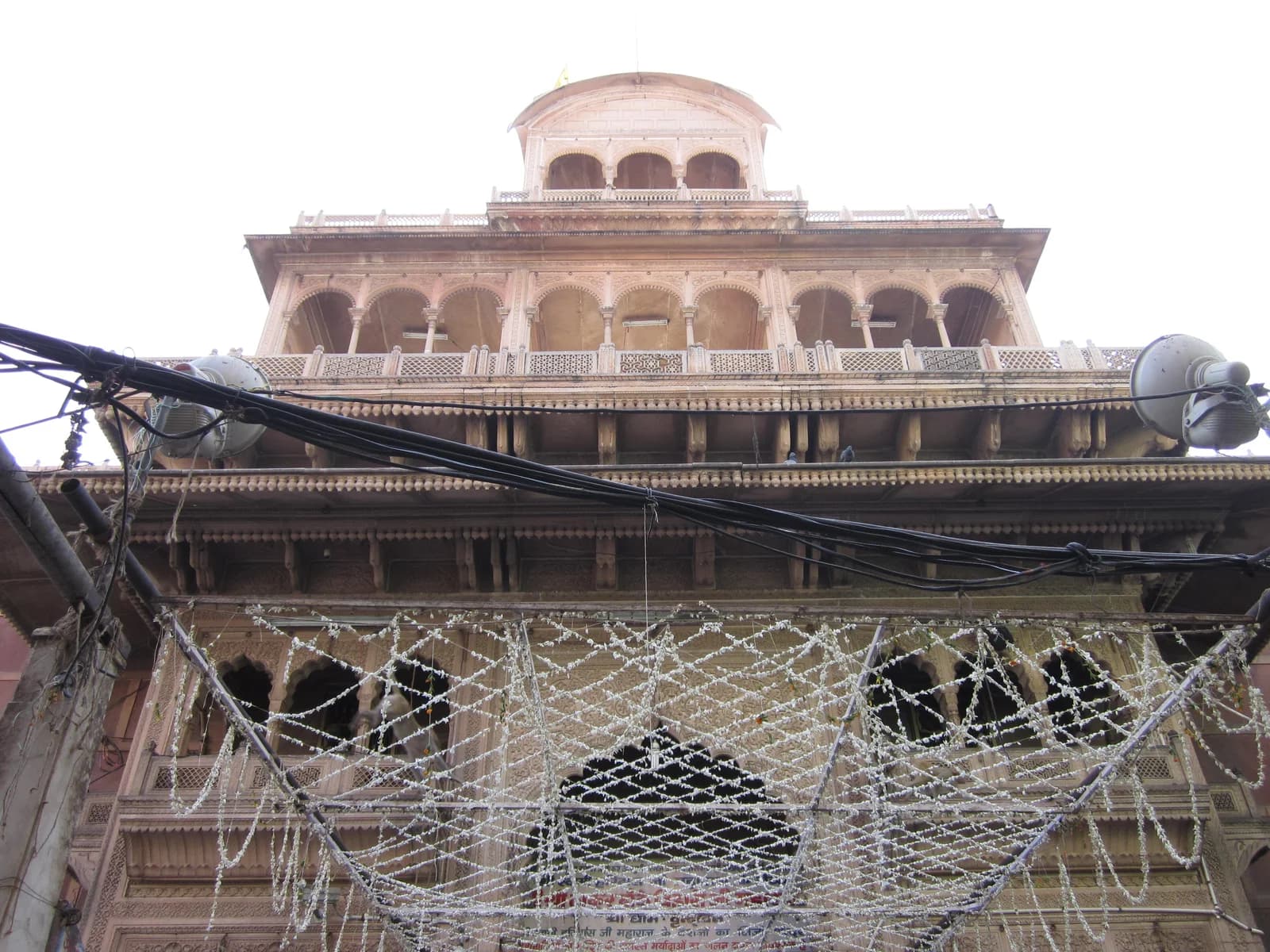
The Braj 84 Kos Parikrama, also called Braj Chaurasi Kos Yatra, is a pilgrimage around the wider land of Braj, not a walk around Vrindavan town. Its recognised places include Mathura, Vrindavan, Govardhan, Radha Kund, Barsana, Nandgaon, Gokul, Mahavan and Baldeo, with further halts around Kosi Kalan, Kokilavan and Kaman. The Mathura district administration describes the circuit as approximately 252 km, although the distance actually travelled changes with the chosen path and detours. Mathura, often associated with Vishram Ghat, is a common traditional starting point; some groups assemble elsewhere. For a full walking pilgrimage, expect a commitment measured in weeks. If you have limited leave or mobility, a vehicle-supported visit to major sites or several shorter sectional trips is more practical. Neither is automatically the same as completing every observance of a traditional 84 Kos parikrama.
Is Braj 84 Kos Parikrama the same as Vrindavan Parikrama?
No. The names are easy to confuse, especially when a local guide advertises a 'Vrindavan Braj parikrama'. Vrindavan town parikrama circles places associated with Vrindavan itself; the Mathura district tourism overview lists its longer recognised circuit at about 15 km. Govardhan Parikrama is a separate, approximately 21 km circuit around Giriraj Govardhan. Braj 84 Kos covers a much wider sacred landscape of villages, forests, kunds, ghats and temples, traditionally connected with Shri Krishna's pastimes.
The district's Brij Parikrama overview distinguishes these routes. If an itinerary offers only Banke Bihari Temple, Govardhan and Barsana over a weekend, it may be a rewarding Braj darshan tour, but it should not be confused with the entire traditional route.
Braj 84 Kos Parikrama route: important places on the wider circuit
There is no single stop-by-stop route that every ashram, sampradaya or travel organiser follows in the same order. Some include additional sacred forests, kunds and border villages; others organise transport between major places. The following geographical sequence helps a first-time visitor understand the circuit. It is an orientation, not an official walking map or a direction for performing prescribed rituals.
- Mathura and Vishram Ghat: Mathura is a familiar starting and finishing anchor. Vishram Ghat on the Yamuna is especially associated with the city's pilgrimage tradition. Pilgrims may also visit Shri Krishna Janmasthan, subject to the site's current entry and security rules. Confirm your group's actual assembly point before arriving.
- Gokul, Mahavan and Baldeo: These places connect the yatra with traditions of Krishna's childhood and Balram. Raman Reti in the Gokul area, Mahavan's Nand Bhavan traditions and the Dauji Temple at Baldeo give this stretch a distinct character.
- Vrindavan and the Yamuna-side sacred places: Old Vrindavan's Banke Bihari Temple, Radha Raman Temple, Madan Mohan Temple and Keshi Ghat are important devotional visits. Depending on the traditional route, wider forest sites such as Bhandirvan, Belvan and Lohavan may be included on different legs. A temple tour within Vrindavan is only one portion of Braj Mandal.
- Kosi Kalan, Kokilavan and Nandgaon: The northern and north-western stretches are associated with additional villages and sacred groves. Nandgaon is known for Nand Bhavan and the traditions of Nanda Baba and Yashoda. Hilltop access may involve steps.
- Barsana and nearby villages: Barsana is especially associated with Shri Radha Rani. The Shri Radha Rani Temple, Maan Mandir area and sites such as Sanket may feature according to the group's path. Festival days can make both roads and temple approaches considerably busier.
- Kaman or Kamyavan, and the Deeg side: Some established circuits extend into present-day Rajasthan and towards additional forests, kunds and villages. Kaman, connected with the traditional Kamyavan forest, is not simply an optional city attraction for groups following a broader Braj Mandal route. Exact halts differ significantly.
- Govardhan, Radha Kund and return towards Mathura: Govardhan's Daan Ghati, Mansi Ganga, Jatipura, Kusum Sarovar, Radha Kund and Shyam Kund are prominent devotional landmarks. Groups may add the separate Govardhan Parikrama and continue through smaller halts before closing their larger circuit.
Traditional accounts also name the twelve forests of Braj, including Madhuvan, Talvan, Kumudvan, Bahulavan, Kamyavan and Mahavan. Today, many such locations are villages or cultivated landscapes rather than continuous forests. A route showing only the seven better-known towns is therefore an overview of highlights, not a complete record of every traditional padav, or resting halt.
Where should you start the 84 Kos Parikrama?
Mathura is a sensible first reference point because it is a major arrival hub and a customary beginning and end for many pilgrims. Vishram Ghat is often mentioned in accounts of the yatra. However, your actual starting point should be the meeting location specified by your guru, ashram or organiser: some groups begin with a ceremony elsewhere, while independent visitors often begin sightseeing from Vrindavan.
Before booking transport, ask for a written route that names the first and final halt, direction of travel, daily walking distance, places requiring a river crossing, and the arrangement for luggage and overnight stays. Ask whether '84 Kos' means a walking pilgrimage, a vehicle-based circuit or a highlights package.
84 Kos Parikrama distance and duration: walking versus road travel
The commonly quoted 84 kos parikrama distance is approximately 252 km, based on the Mathura district description. It is a traditional reference figure, not a promise that every mapped road journey, walking track or detour measures exactly 252 km. Branch visits and different route alignments can increase the ground covered.
Traditional group pad-yatraSeveral weeks; some organised traditions take around 40–45 daysWalking with ritual stops, rest days and an organiser's sequence of sacred places Vehicle-supported wider Braj tourOften roughly 4–12 days for selected major sitesRoad transfers and darshan at planned stops; depth and coverage vary widely One-week itinerarySeven days, where specifically offeredA possible organiser-designed circuit, not a universally prescribed completion time or guarantee of all halts Sectional pilgrimageOne to three days per selected areaMathura–Gokul, Vrindavan, Govardhan, or Barsana–Nandgaon visited separatelyDriving time and queue time are different. Road plans slow around crowded temples, diversions and hill approaches. Walking groups also need time for kirtan, rituals and rest; a road tour is not comparable with a pad-yatra timetable.
How to choose between walking, a vehicle tour and sectional visits
For a traditional walking pilgrimage
Choose a group whose spiritual practice matches your expectations, then follow its current padav list. Ask who provides meals, drinking water, medical support and baggage transport, and where the group sleeps each night. Uneven paths, sun, rain and long periods standing can be more demanding than the distance figure suggests. The organiser should explain any vows, barefoot practices or ritual requirements; do not assume all traditions follow the same rules.
For families with a few days in Braj
A practical highlights visit is to divide your time by area rather than race through the entire region. One day can focus on Mathura, Gokul and Mahavan; another on Old Vrindavan; and another on Govardhan, Radha Kund or the Barsana–Nandgaon area. With more days, add Baldeo, Kaman and smaller kunds that matter to your family. These are highlights, not a certified completion of 84 Kos. Confirm road access and leave time for darshan.
For seniors or devotees with limited mobility
Prioritise fewer stops with meaningful time at each shrine. Arrange road transport between towns and ask in advance where walking starts after the permitted vehicle drop-off. Barsana and Nandgaon's elevated shrines may be difficult for someone who cannot manage steps, while the entire 21 km Govardhan walk may be unsuitable for some visitors. It is reasonable to visit accessible points near Govardhan instead of undertaking the complete foot circuit.
Do not assume every temple has step-free entry, working lifts, mobility equipment or close parking. At Banke Bihari Temple, the official darshan information describes assistance requests for certain visitors, subject to acceptance and availability, particularly limited on peak days. Confirm arrangements directly before travelling; a request does not guarantee assistance.
When to go and what can change on the route
The Mathura district overview associates the Braj Chaurasi Kos tradition with Chaturmas and Adhik Maas. Individual walking groups may have their own calendar, and shorter road-based visits are arranged in other seasons too. Monsoon rain can make paths slippery; heat calls for hydration and cooler walking hours.
Major celebrations such as Janmashtami, Radhashtami, Holi, Ekadashi and Purnima can affect crowds, traffic movement and entry arrangements at different places. No single set of year-round temple times or vehicle restrictions covers the entire 84 Kos circuit. Reconfirm the programme with its organiser and check official temple notices for the specific dates. For Banke Bihari Temple, the official visitor guidance explains seasonal darshan changes and advises that private cars cannot be taken all the way to the mandir.
Should you stay in Vrindavan for the entire parikrama?
For a continuous, multi-week walking parikrama, usually not: the group advances around Braj, so its overnight halts move with it. Returning to the same Vrindavan room every night could add substantial backtracking. Book accommodation according to the organiser's stops, not simply because Vrindavan is a famous place on the route.
For sectional visits, staying in Vrindavan can work well. You can make separate road journeys to Mathura–Gokul, Govardhan or Barsana–Nandgaon while keeping one base for Old Vrindavan darshan. ZenithSuites Vrindavan is in Old Vrindavan near Shri Banke Bihari Temple, making it possible to return for rest between nearby temple visits. That walkable neighbourhood convenience does not mean Govardhan or Barsana can be visited on foot from the property. It has no on-site parking; the property describes paid off-site parking, whose availability and access conditions should be confirmed before arrival.
Three questions first-time pilgrims often ask
Can I complete 84 Kos Parikrama in seven days?
Some organised road itineraries use seven days, but that does not establish a universal seven-day traditional route. Ask for the complete halt list and travel mode before treating the offer as a full parikrama. A walking group may take several weeks.
Can I complete the pilgrimage over multiple visits?
You can certainly explore Braj in sections, which is a more comfortable option for many families. Whether separate visits count towards a particular religious vow is a question for your guru or sampradaya, not something a travel itinerary can decide.
Is the 84 Kos route fully accessible by car?
No such blanket access can be assumed. Vehicles connect the major towns, but some shrines, lanes, ghats, forest paths and parikrama stretches require walking or have restricted approaches. Confirm each stop's last-mile conditions with your organiser, driver or temple authorities.
The best first decision is the purpose of your journey: undertake a traditional walking yatra with a trusted group, explore the principal Braj sites by vehicle, or visit chosen sections at a gentler pace. Once that is clear, choosing the starting point, number of days and appropriate overnight halts becomes much easier.
ZenithSuites
The ZenithSuites Vrindavan Editorial Team creates practical, respectful guides for temple visits, family pilgrimage and stays in the sacred lanes of old Vrindavan. Current temple and civic guidance should always be checked close to travel.
Plan Your Vrindavan Stay Near Shri Banke Bihari Temple
Compare Standard, Deluxe, Suite and Family Suite rooms approximately 120 metres in direct proximity from Shri Banke Bihari Temple, with transparent arrival and parking guidance.
Compare Vrindavan Rooms