
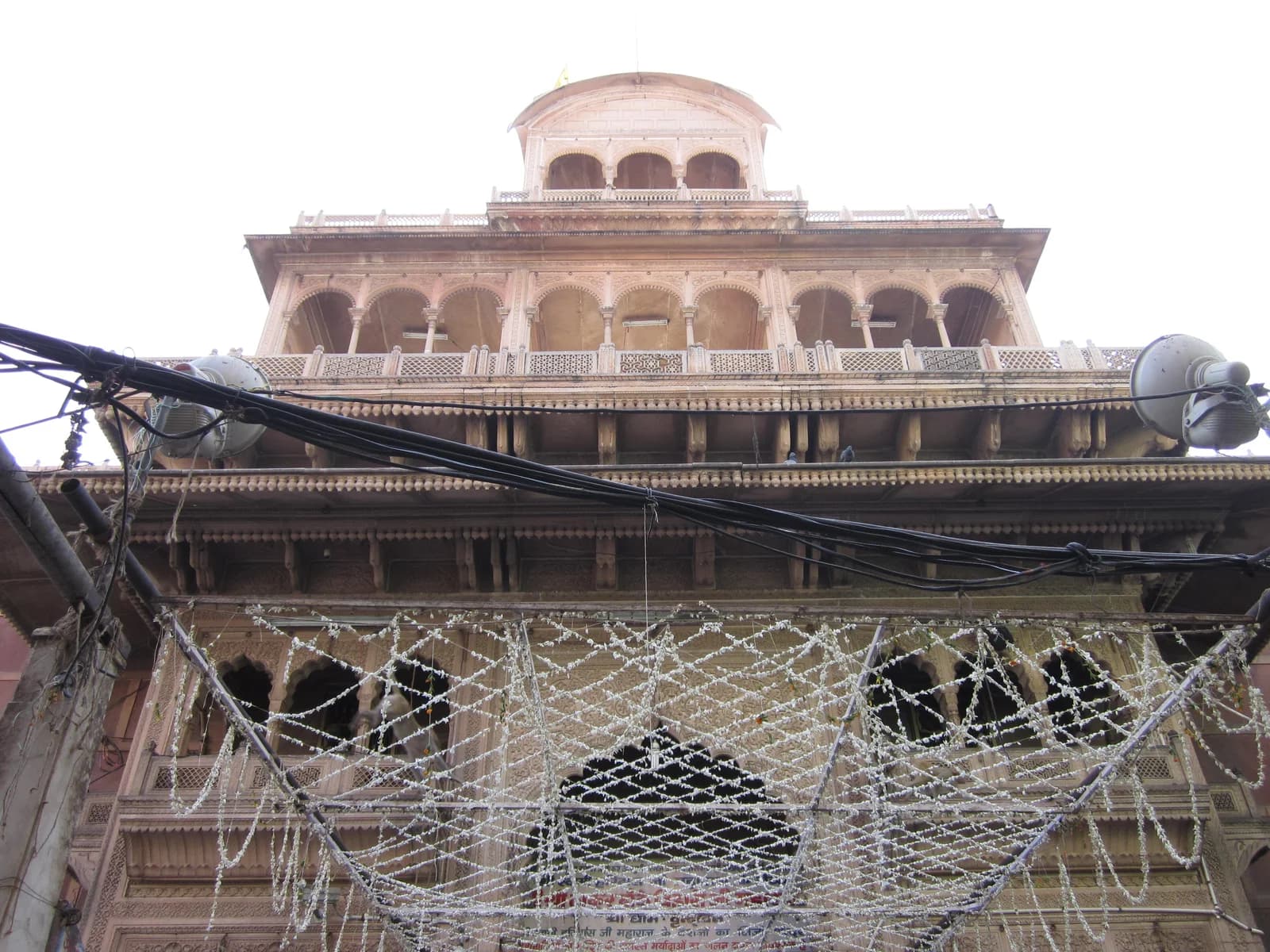
Kartik (Damodar) month in Vrindavan in 2027 is best planned for 15 October to 14 November, according to the local Gaudiya Vaishnava calendar. Some observance guides begin on the evening of 14 October, when Sharad Purnima tithi starts, so confirm your temple's preferred date. For a short pilgrimage, visit Shri Banke Bihari Temple and Shri Radha Damodar Temple in Old Vrindavan, spend time at Keshi Ghat on the Yamuna, and consider devotional kirtan at ISKCON Krishna-Balaram Temple. Offer a lamp only where permitted. If you want to undertake the full Vrindavan parikrama, reserve a separate morning for its approximately 10–11 km circuit rather than squeezing it between crowded darshan queues.
Kartik Month 2027: Verified Dates and Lunar Calendar Differences
In the Gaudiya Vaishnava tradition, Kartik is called Damodara Masa and is associated with the period from Sharad Purnima to Kartik Purnima. The 2027 Vrindavan Vaishnava calendar lists Sharadiya Rasa-yatra on Friday, 15 October 2027, and Sri Krishna Rasa-yatra on Sunday, 14 November 2027. The Braj Pyaro Vrindavan Vaishnava calendar identifies the intervening period as Damodara Masa, including Rama Ekadashi on 26 October and Utthana Ekadashi on 10 November.
The opening-date difference deserves attention. The Sharad Purnima panchang places the full-moon tithi across 14–15 October. Some devotional calendars therefore describe Kartik observance as beginning on 14 October, while local Gaudiya festival listings mark 15 October. Similarly, Kartik Purnima tithi spans 13–14 November, producing different civil dates for related observances.
Calendar systems also differ. The purnimanta system, common in North India, counts lunar months from full moon to full moon. The amanta system counts them from new moon to new moon. Consequently, a calendar labelled Kartika in another regional tradition may cover different dates from Vrindavan's Damodar observance. For a personal vrata, fast or temple programme, follow the panchang used by your chosen Vaishnava institution.
Important Kartik Festivals and Dates in Vrindavan 2027
- 15 October: Sharadiya Rasa-yatra, marking the opening period of Kartik observances in the referenced local Vaishnava calendar.
- 26 October: Rama Ekadashi, an important Vaishnava fasting day. Verify parana instructions with your own tradition.
- 29 October: Diwali and associated Deepdaan observances. Expect substantial religious travel and possible crowd controls.
- 30 October: Govardhan Puja, particularly significant for devotees visiting the wider Braj region.
- 10 November: Utthana Ekadashi and the beginning of Bhishma Panchaka in the referenced Vrindavan calendar.
- 13–14 November: Kartik Purnima period. The Purnima observance and Vaishnava Rasa-yatra listings differ by a civil day.
These are religious calendar dates, not confirmation that every temple conducts public ceremonies daily. Temple-specific events, entry arrangements and special offerings should be checked directly before travelling.
Where to Go at Dawn During Kartik Month
Keshi Ghat: Begin with Yamuna-side Prayer
Keshi Ghat is a meaningful place to begin a Kartik morning. Its historic steps beside the Yamuna offer an opportunity for quiet prayer and reflection before the temple quarter becomes busier. Visit in safe daylight, remain cautious on damp or uneven steps, and avoid entering the water without reliable local safety guidance. A dawn visit to the ghat does not mean surrounding temples will already be open.
Radha Damodar, Radha Raman and Madan Mohan
Shri Radha Damodar Temple is especially relevant for visitors observing Damodar month. Devotees may also include Shri Radha Raman Temple and the historic Shri Madan Mohan Temple in an Old Vrindavan pilgrimage. These shrines provide opportunities for worship beyond the largest crowds around Banke Bihari.
Choose two or three nearby temples rather than attempting every shrine in one morning. Opening hours, worship intervals and entry arrangements can vary, and approaching on foot may take longer during festival periods.
Banke Bihari Darshan: Check the Actual Opening Session
For many pilgrims, Shri Banke Bihari Temple is the main reason to visit Vrindavan. Its official visitor guidance explains that darshan hours differ between summer and winter, with particularly heavy crowds on Ekadashi, Purnima, weekends and major festivals. It also advises elderly devotees and families with small children to be cautious about festival crowds.
Check the official darshan information before leaving your accommodation. Do not assume that an early-morning arrival guarantees immediate entry or that a short approach means a short queue. If the crowd is unsuitable for your group, choose another open shrine or return during a less demanding session.
Deepdaan in Vrindavan: Temples, Keshi Ghat and Damodar Worship
Deepdaan is an offering of light, but its form depends on the temple, tradition and location. During Damodara Masa, many Gaudiya Vaishnavas offer a small lamp to Lord Damodar while singing or hearing Damodarashtakam, the eight-verse prayer recalling Krishna's childhood pastimes with Mother Yashoda.
At a temple gathering, follow the organisers' instructions about participation, lamp handling and permitted areas. Some offerings may be conducted by temple personnel rather than visitors. There is no universally applicable fee, time or procedure for Kartik Deepdaan.
ISKCON Krishna-Balaram Temple: Kirtan and Devotional Singing
ISKCON Krishna-Balaram Temple, situated in the Raman Reti area, is a valuable destination for visitors interested in congregational chanting, devotional singing and Gaudiya Vaishnava practice. Enquire directly about its 2027 Kartik programme, Damodarashtakam recitations and any arrangements for visitors offering lamps. A regular devotional atmosphere should not be mistaken for confirmation of a specific public ceremony at a particular hour.
ISKCON is farther from the Banke Bihari neighbourhood. An e-rickshaw or other locally permitted road transport may be useful, but travel and walking time will depend on traffic restrictions.
Deepdaan at Keshi Ghat: Respect the Yamuna
Keshi Ghat is also associated with evening Yamuna devotion. Visitors may wish to pray near the river or participate in a locally organised lamp offering where permission exists. However, do not assume that a public Deepdaan ceremony occurs every evening or that releasing burning lamps into the river is allowed.
Ask local organisers where offerings may be placed, supervise children around flames and river steps, and avoid leaving oil containers, foil or used diyas behind. If a riverside lamp offering is unavailable, temple-supervised Deepdaan or a simple prayer remains a respectful alternative.
Vrindavan Kartik Parikrama: Route, Distance and Practical Choices
Vrindavan parikrama is the sacred circumambulation of Vrindavan town. It is distinct from Govardhan parikrama and the much larger Braj Chaurasi Kos pilgrimage. Commonly described town circuits measure approximately 10–11 km, although the actual walking distance depends on the starting point and any diversions.
Visitors may begin at an accessible point near Keshi Ghat or the ISKCON side and follow the established parikrama path in its customary direction. Landmarks associated with traditional routes include Madan Mohan Temple, Imli Tala, Keshi Ghat and other Yamuna-side sites. The precise path should be confirmed locally rather than reconstructed from a sightseeing map.
For a complete circuit, reserve a generous morning with sufficient time for water, rest and slow-moving sections. The route should not be treated as a guaranteed three-hour walk. Some devotees prefer walking barefoot, but surface conditions and individual health should guide that decision.
For families and senior pilgrims: A shorter Old Vrindavan walk connecting Banke Bihari, Radha Damodar and selected nearby shrines is often more manageable. It provides meaningful darshan without the strain of a full circuit, although it should not be described as completing the formal parikrama. Do not assume that the complete route is wheelchair-accessible or that vehicles can enter restricted sections.
Practical One-Day and Two-Day Kartik Itineraries
One Day: Old Vrindavan Darshan and Evening Devotion
Begin with a daylight visit to Keshi Ghat if the approach is convenient. Continue towards Radha Damodar or Radha Raman Temple, then prioritise Banke Bihari during its confirmed darshan session. Leave the afternoon for food and rest rather than travelling between distant temples.
In the evening, choose a locally permitted Deepdaan experience or visit ISKCON Krishna-Balaram Temple for kirtan, subject to its programme. Trying to attend both may create unnecessary transport pressure, especially during festival crowds.
Two Days: Darshan First, Parikrama Separately
Spend the first day visiting Old Vrindavan temples and enjoying an unhurried evening devotional experience. Reserve the second morning for the complete Vrindavan parikrama if everyone is physically prepared. Alternatively, explore Madan Mohan, Radha Vallabh and the Yamuna-side heritage area at an easier pace.
Prem Mandir can be added as a separate outing, but it is not a required part of Damodar worship. A further day could accommodate Govardhan, which involves a distinct journey and should not be confused with the Vrindavan town circuit.
Kartik Weather, Festival Crowds and Getting Around
October and November are generally more comfortable for walking than peak summer. Early Kartik afternoons can remain warm, while later mornings and evenings may feel cooler. Carry drinking water, light layers and footwear suited to uneven streets. Check the weather forecast close to departure, especially before a dawn parikrama.
Diwali, Govardhan Puja, Ekadashi and Kartik Purnima can bring heavy footfall, changing barricades and longer queues. Travel time, walking time and darshan waiting time are separate considerations. Avoid tightly scheduled transport connections after an important temple visit.
The official Banke Bihari visitor website states that private cars cannot reach the temple itself. Travellers must use appropriate parking and complete the final approach by locally available transport or on foot, depending on restrictions.
For visitors concentrating on Old Vrindavan darshan, ZenithSuites Vrindavan, at Gali No. 5 (VIP Gali), Madan Mohan Banke Bihari Path, offers a base near Shri Banke Bihari Temple and the option of returning to the room between visits. The property's stated direct proximity is not a guaranteed pedestrian route distance. It has no on-site parking and describes paid off-site parking nearby; confirm the current drop-off arrangements before arrival.
Frequently Asked Questions About Kartik 2027
When does Damodar month begin and end in Vrindavan in 2027?
Use 15 October to 14 November 2027 for planning around the referenced Vrindavan Gaudiya Vaishnava calendar. Some traditions begin observances with Sharad Purnima on 14 October. Confirm the start date with the temple guiding your particular vrata.
Is Deepdaan compulsory during Kartik?
Participation depends on personal devotion and religious tradition. Visitors can also listen to Damodarashtakam, join kirtan or take darshan. A public lamp offering is not necessary to make a pilgrimage meaningful.
What is the Kartik Purnima date in Vrindavan in 2027?
The relevant period is 13–14 November 2027. Purnima-related observances are listed on 13 November, while Kartik Purnima and the local Vaishnava Rasa-yatra observance are associated with 14 November. Check the event you intend to attend.
A fulfilling Kartik pilgrimage is not measured by the number of temples completed. Use the appropriate Vaishnava calendar, respect current darshan arrangements, and allow time for sincere prayer, a safe Yamuna-side visit and an unhurried experience of Vrindavan's devotional traditions.
ZenithSuites
The ZenithSuites Vrindavan Editorial Team creates practical, respectful guides for temple visits, family pilgrimage and stays in the sacred lanes of old Vrindavan. Current temple and civic guidance should always be checked close to travel.
Plan Your Vrindavan Stay Near Shri Banke Bihari Temple
Compare Standard, Deluxe, Suite and Family Suite rooms approximately 120 metres in direct proximity from Shri Banke Bihari Temple, with transparent arrival and parking guidance.
Compare Vrindavan Rooms