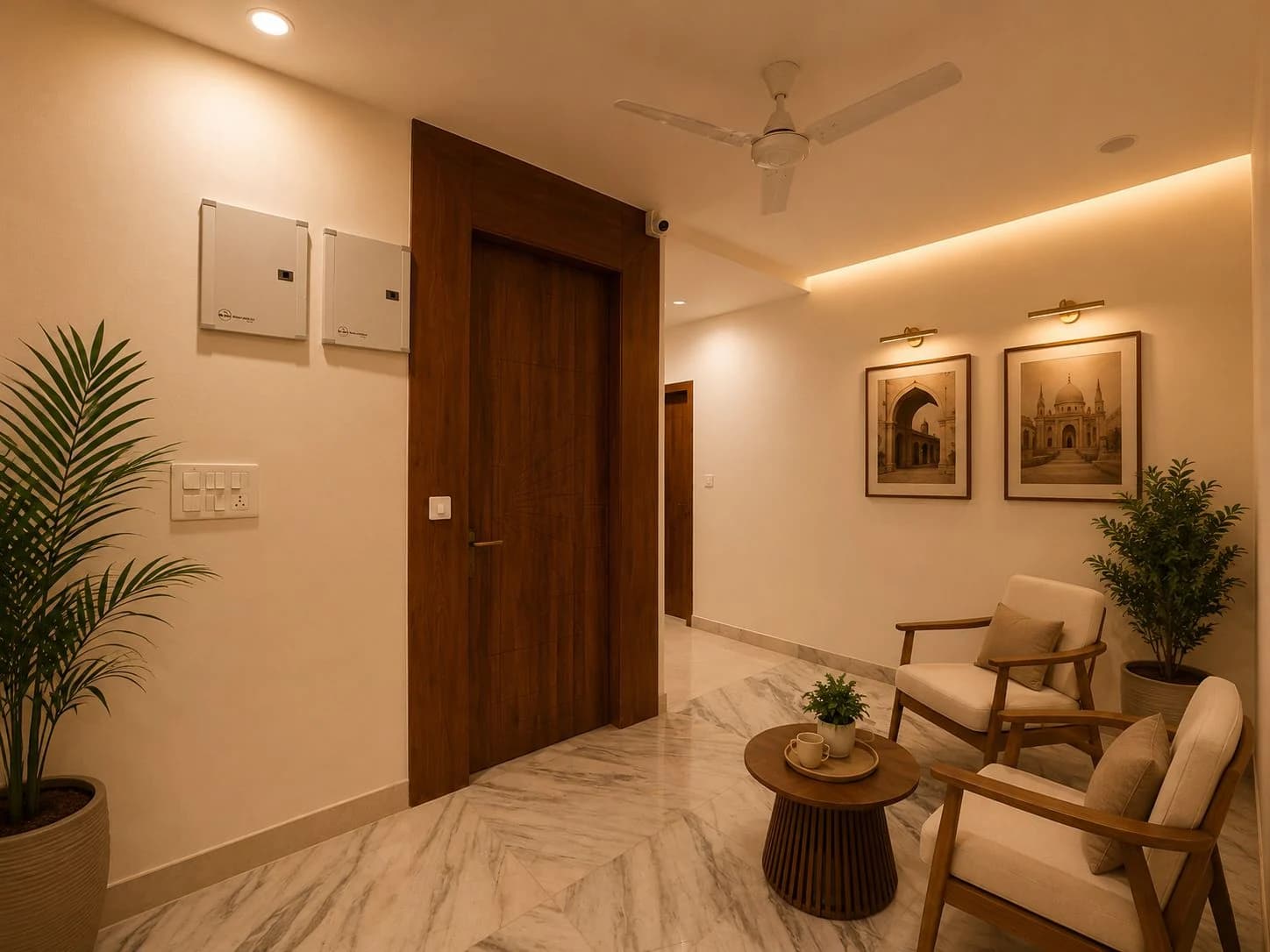
Quick answer: Prepare for monsoon temple walks with suitable footwear, flexible routes, rain protection and a central place to dry and rest. The most reliable way to plan is to use verified distances, maintain a flexible sequence and check current temple guidance close to the visit. This guide focuses on decisions that remain useful even when timings, routes or crowd controls change.
Monsoon in Vrindavan: Temple Walks, Footwear and Stay Planning is written for visitors travelling during rainy months. shorter walking distances become especially valuable when lanes are wet. It combines location facts, family-aware pacing, respectful conduct and accommodation decisions so a reader can move from research to a practical plan without searching through disconnected advice.
Expect changing rain
shorter walking distances become especially valuable when lanes are wet. For visitors travelling during rainy months, this part of Vrindavan in monsoon deserves deliberate attention. Begin with the actual purpose of the visit, the people travelling and the conditions likely to affect them. A useful plan identifies one primary devotional or practical objective, then arranges everything else around it. This approach feels less dramatic than a packed checklist, but it usually creates a more satisfying day because the group can respond to weather, crowds, local instructions and individual energy.
Step 1 should be translated into a decision you can act on before arrival. Confirm what is stable, such as the reserved room category and the property address, and recheck what can change, such as temple access, traffic controls and pedestrian routing. Old Vrindavan is a living sacred neighbourhood rather than a controlled attraction. Its lanes carry residents, pilgrims, vendors and worshippers at the same time. Patience, modest clothing, attentive movement and respect for instructions are part of responsible planning, not optional extras.
Season changes the practical meaning of a short distance. Wet stone, standing water, fog, cold mornings or strong sun can slow a group even when the landmark is nearby. Use secure footwear, protect medicines and phones, and keep one dry layer or weather cover ready. Delay a riverfront or longer walking extension when conditions no longer suit the group.
Use verified proximity facts without turning them into guarantees. ZenithSuites Vrindavan is approximately 30 metres in direct proximity from Shri Ashtsakhi Temple, 120 metres from Shri Banke Bihari Temple, 210 metres from Shri Radha Madan Mohan Mandir and 300 metres from Shri Radha Vallabh Temple. Nidhi Van is approximately 1.2 km away and Keshi Ghat 1.8 km away. These distances show direct proximity, but walking distance and time change with route controls, weather and crowds. Staying nearby can reduce repeated last-mile travel; it cannot shorten a temple queue or override local access rules.
- Confirm: current temple or civic guidance through authoritative local sources.
- Prepare: water, essential medicines, charged phones and one clear family meeting point.
- Adapt: shorten or reorder the plan when crowd density, heat, rain or fatigue increases.
- Respect: worship, residents, photography restrictions and the pedestrian flow of narrow lanes.
Choose safe footwear
shorter walking distances become especially valuable when lanes are wet. For visitors travelling during rainy months, this part of Vrindavan in monsoon deserves deliberate attention. Begin with the actual purpose of the visit, the people travelling and the conditions likely to affect them. A useful plan identifies one primary devotional or practical objective, then arranges everything else around it. This approach feels less dramatic than a packed checklist, but it usually creates a more satisfying day because the group can respond to weather, crowds, local instructions and individual energy.
Step 2 should be translated into a decision you can act on before arrival. Confirm what is stable, such as the reserved room category and the property address, and recheck what can change, such as temple access, traffic controls and pedestrian routing. Old Vrindavan is a living sacred neighbourhood rather than a controlled attraction. Its lanes carry residents, pilgrims, vendors and worshippers at the same time. Patience, modest clothing, attentive movement and respect for instructions are part of responsible planning, not optional extras.
Season changes the practical meaning of a short distance. Wet stone, standing water, fog, cold mornings or strong sun can slow a group even when the landmark is nearby. Use secure footwear, protect medicines and phones, and keep one dry layer or weather cover ready. Delay a riverfront or longer walking extension when conditions no longer suit the group.
Use verified proximity facts without turning them into guarantees. ZenithSuites Vrindavan is approximately 30 metres in direct proximity from Shri Ashtsakhi Temple, 120 metres from Shri Banke Bihari Temple, 210 metres from Shri Radha Madan Mohan Mandir and 300 metres from Shri Radha Vallabh Temple. Nidhi Van is approximately 1.2 km away and Keshi Ghat 1.8 km away. These distances show direct proximity, but walking distance and time change with route controls, weather and crowds. Staying nearby can reduce repeated last-mile travel; it cannot shorten a temple queue or override local access rules.
- Confirm: current temple or civic guidance through authoritative local sources.
- Prepare: water, essential medicines, charged phones and one clear family meeting point.
- Adapt: shorten or reorder the plan when crowd density, heat, rain or fatigue increases.
- Respect: worship, residents, photography restrictions and the pedestrian flow of narrow lanes.
Protect phones and documents
shorter walking distances become especially valuable when lanes are wet. For visitors travelling during rainy months, this part of Vrindavan in monsoon deserves deliberate attention. Begin with the actual purpose of the visit, the people travelling and the conditions likely to affect them. A useful plan identifies one primary devotional or practical objective, then arranges everything else around it. This approach feels less dramatic than a packed checklist, but it usually creates a more satisfying day because the group can respond to weather, crowds, local instructions and individual energy.
Step 3 should be translated into a decision you can act on before arrival. Confirm what is stable, such as the reserved room category and the property address, and recheck what can change, such as temple access, traffic controls and pedestrian routing. Old Vrindavan is a living sacred neighbourhood rather than a controlled attraction. Its lanes carry residents, pilgrims, vendors and worshippers at the same time. Patience, modest clothing, attentive movement and respect for instructions are part of responsible planning, not optional extras.
Turn this topic into one clear decision before travel and one flexible choice on the day. Confirm stable details in writing, recheck time-sensitive local guidance and keep enough margin for crowds or weather. A useful plan supports the devotional purpose of the visit while protecting the comfort of every person travelling.
Use verified proximity facts without turning them into guarantees. ZenithSuites Vrindavan is approximately 30 metres in direct proximity from Shri Ashtsakhi Temple, 120 metres from Shri Banke Bihari Temple, 210 metres from Shri Radha Madan Mohan Mandir and 300 metres from Shri Radha Vallabh Temple. Nidhi Van is approximately 1.2 km away and Keshi Ghat 1.8 km away. These distances show direct proximity, but walking distance and time change with route controls, weather and crowds. Staying nearby can reduce repeated last-mile travel; it cannot shorten a temple queue or override local access rules.
- Confirm: current temple or civic guidance through authoritative local sources.
- Prepare: water, essential medicines, charged phones and one clear family meeting point.
- Adapt: shorten or reorder the plan when crowd density, heat, rain or fatigue increases.
- Respect: worship, residents, photography restrictions and the pedestrian flow of narrow lanes.
Slow down on wet lanes
shorter walking distances become especially valuable when lanes are wet. For visitors travelling during rainy months, this part of Vrindavan in monsoon deserves deliberate attention. Begin with the actual purpose of the visit, the people travelling and the conditions likely to affect them. A useful plan identifies one primary devotional or practical objective, then arranges everything else around it. This approach feels less dramatic than a packed checklist, but it usually creates a more satisfying day because the group can respond to weather, crowds, local instructions and individual energy.
Step 4 should be translated into a decision you can act on before arrival. Confirm what is stable, such as the reserved room category and the property address, and recheck what can change, such as temple access, traffic controls and pedestrian routing. Old Vrindavan is a living sacred neighbourhood rather than a controlled attraction. Its lanes carry residents, pilgrims, vendors and worshippers at the same time. Patience, modest clothing, attentive movement and respect for instructions are part of responsible planning, not optional extras.
Use the stated distance as approximate direct proximity and check the live walking route before setting out. Mapping services can suggest a longer detour when narrow lanes, pedestrian gates or temporary controls are represented imperfectly. Follow the safe access available on the day, remain on active public routes and avoid unfamiliar shortcuts after dark.
Use verified proximity facts without turning them into guarantees. ZenithSuites Vrindavan is approximately 30 metres in direct proximity from Shri Ashtsakhi Temple, 120 metres from Shri Banke Bihari Temple, 210 metres from Shri Radha Madan Mohan Mandir and 300 metres from Shri Radha Vallabh Temple. Nidhi Van is approximately 1.2 km away and Keshi Ghat 1.8 km away. These distances show direct proximity, but walking distance and time change with route controls, weather and crowds. Staying nearby can reduce repeated last-mile travel; it cannot shorten a temple queue or override local access rules.
- Confirm: current temple or civic guidance through authoritative local sources.
- Prepare: water, essential medicines, charged phones and one clear family meeting point.
- Adapt: shorten or reorder the plan when crowd density, heat, rain or fatigue increases.
- Respect: worship, residents, photography restrictions and the pedestrian flow of narrow lanes.
Keep temple clothing practical
shorter walking distances become especially valuable when lanes are wet. For visitors travelling during rainy months, this part of Vrindavan in monsoon deserves deliberate attention. Begin with the actual purpose of the visit, the people travelling and the conditions likely to affect them. A useful plan identifies one primary devotional or practical objective, then arranges everything else around it. This approach feels less dramatic than a packed checklist, but it usually creates a more satisfying day because the group can respond to weather, crowds, local instructions and individual energy.
Step 5 should be translated into a decision you can act on before arrival. Confirm what is stable, such as the reserved room category and the property address, and recheck what can change, such as temple access, traffic controls and pedestrian routing. Old Vrindavan is a living sacred neighbourhood rather than a controlled attraction. Its lanes carry residents, pilgrims, vendors and worshippers at the same time. Patience, modest clothing, attentive movement and respect for instructions are part of responsible planning, not optional extras.
Approach each sacred place as an active place of worship. Dress respectfully, speak quietly, follow queue and security instructions, and ask before photographing people or devotional activity. Current temple announcements remain the authority for opening periods and special arrangements. A thoughtful visit leaves room for attention and prayer instead of measuring success by the number of stops completed.
Use verified proximity facts without turning them into guarantees. ZenithSuites Vrindavan is approximately 30 metres in direct proximity from Shri Ashtsakhi Temple, 120 metres from Shri Banke Bihari Temple, 210 metres from Shri Radha Madan Mohan Mandir and 300 metres from Shri Radha Vallabh Temple. Nidhi Van is approximately 1.2 km away and Keshi Ghat 1.8 km away. These distances show direct proximity, but walking distance and time change with route controls, weather and crowds. Staying nearby can reduce repeated last-mile travel; it cannot shorten a temple queue or override local access rules.
- Confirm: current temple or civic guidance through authoritative local sources.
- Prepare: water, essential medicines, charged phones and one clear family meeting point.
- Adapt: shorten or reorder the plan when crowd density, heat, rain or fatigue increases.
- Respect: worship, residents, photography restrictions and the pedestrian flow of narrow lanes.
Use breaks to dry and recover
shorter walking distances become especially valuable when lanes are wet. For visitors travelling during rainy months, this part of Vrindavan in monsoon deserves deliberate attention. Begin with the actual purpose of the visit, the people travelling and the conditions likely to affect them. A useful plan identifies one primary devotional or practical objective, then arranges everything else around it. This approach feels less dramatic than a packed checklist, but it usually creates a more satisfying day because the group can respond to weather, crowds, local instructions and individual energy.
Step 6 should be translated into a decision you can act on before arrival. Confirm what is stable, such as the reserved room category and the property address, and recheck what can change, such as temple access, traffic controls and pedestrian routing. Old Vrindavan is a living sacred neighbourhood rather than a controlled attraction. Its lanes carry residents, pilgrims, vendors and worshippers at the same time. Patience, modest clothing, attentive movement and respect for instructions are part of responsible planning, not optional extras.
Turn this topic into one clear decision before travel and one flexible choice on the day. Confirm stable details in writing, recheck time-sensitive local guidance and keep enough margin for crowds or weather. A useful plan supports the devotional purpose of the visit while protecting the comfort of every person travelling.
Use verified proximity facts without turning them into guarantees. ZenithSuites Vrindavan is approximately 30 metres in direct proximity from Shri Ashtsakhi Temple, 120 metres from Shri Banke Bihari Temple, 210 metres from Shri Radha Madan Mohan Mandir and 300 metres from Shri Radha Vallabh Temple. Nidhi Van is approximately 1.2 km away and Keshi Ghat 1.8 km away. These distances show direct proximity, but walking distance and time change with route controls, weather and crowds. Staying nearby can reduce repeated last-mile travel; it cannot shorten a temple queue or override local access rules.
- Confirm: current temple or civic guidance through authoritative local sources.
- Prepare: water, essential medicines, charged phones and one clear family meeting point.
- Adapt: shorten or reorder the plan when crowd density, heat, rain or fatigue increases.
- Respect: worship, residents, photography restrictions and the pedestrian flow of narrow lanes.
Adjust riverfront plans
shorter walking distances become especially valuable when lanes are wet. For visitors travelling during rainy months, this part of Vrindavan in monsoon deserves deliberate attention. Begin with the actual purpose of the visit, the people travelling and the conditions likely to affect them. A useful plan identifies one primary devotional or practical objective, then arranges everything else around it. This approach feels less dramatic than a packed checklist, but it usually creates a more satisfying day because the group can respond to weather, crowds, local instructions and individual energy.
Step 7 should be translated into a decision you can act on before arrival. Confirm what is stable, such as the reserved room category and the property address, and recheck what can change, such as temple access, traffic controls and pedestrian routing. Old Vrindavan is a living sacred neighbourhood rather than a controlled attraction. Its lanes carry residents, pilgrims, vendors and worshippers at the same time. Patience, modest clothing, attentive movement and respect for instructions are part of responsible planning, not optional extras.
Turn this topic into one clear decision before travel and one flexible choice on the day. Confirm stable details in writing, recheck time-sensitive local guidance and keep enough margin for crowds or weather. A useful plan supports the devotional purpose of the visit while protecting the comfort of every person travelling.
Use verified proximity facts without turning them into guarantees. ZenithSuites Vrindavan is approximately 30 metres in direct proximity from Shri Ashtsakhi Temple, 120 metres from Shri Banke Bihari Temple, 210 metres from Shri Radha Madan Mohan Mandir and 300 metres from Shri Radha Vallabh Temple. Nidhi Van is approximately 1.2 km away and Keshi Ghat 1.8 km away. These distances show direct proximity, but walking distance and time change with route controls, weather and crowds. Staying nearby can reduce repeated last-mile travel; it cannot shorten a temple queue or override local access rules.
- Confirm: current temple or civic guidance through authoritative local sources.
- Prepare: water, essential medicines, charged phones and one clear family meeting point.
- Adapt: shorten or reorder the plan when crowd density, heat, rain or fatigue increases.
- Respect: worship, residents, photography restrictions and the pedestrian flow of narrow lanes.
Maintain a flexible itinerary
shorter walking distances become especially valuable when lanes are wet. For visitors travelling during rainy months, this part of Vrindavan in monsoon deserves deliberate attention. Begin with the actual purpose of the visit, the people travelling and the conditions likely to affect them. A useful plan identifies one primary devotional or practical objective, then arranges everything else around it. This approach feels less dramatic than a packed checklist, but it usually creates a more satisfying day because the group can respond to weather, crowds, local instructions and individual energy.
Step 8 should be translated into a decision you can act on before arrival. Confirm what is stable, such as the reserved room category and the property address, and recheck what can change, such as temple access, traffic controls and pedestrian routing. Old Vrindavan is a living sacred neighbourhood rather than a controlled attraction. Its lanes carry residents, pilgrims, vendors and worshippers at the same time. Patience, modest clothing, attentive movement and respect for instructions are part of responsible planning, not optional extras.
Turn this topic into one clear decision before travel and one flexible choice on the day. Confirm stable details in writing, recheck time-sensitive local guidance and keep enough margin for crowds or weather. A useful plan supports the devotional purpose of the visit while protecting the comfort of every person travelling.
Use verified proximity facts without turning them into guarantees. ZenithSuites Vrindavan is approximately 30 metres in direct proximity from Shri Ashtsakhi Temple, 120 metres from Shri Banke Bihari Temple, 210 metres from Shri Radha Madan Mohan Mandir and 300 metres from Shri Radha Vallabh Temple. Nidhi Van is approximately 1.2 km away and Keshi Ghat 1.8 km away. These distances show direct proximity, but walking distance and time change with route controls, weather and crowds. Staying nearby can reduce repeated last-mile travel; it cannot shorten a temple queue or override local access rules.
- Confirm: current temple or civic guidance through authoritative local sources.
- Prepare: water, essential medicines, charged phones and one clear family meeting point.
- Adapt: shorten or reorder the plan when crowd density, heat, rain or fatigue increases.
- Respect: worship, residents, photography restrictions and the pedestrian flow of narrow lanes.
Reading distances and walking times honestly
shorter walking distances become especially valuable when lanes are wet. For visitors travelling during rainy months, this part of Vrindavan in monsoon deserves deliberate attention. Begin with the actual purpose of the visit, the people travelling and the conditions likely to affect them. A useful plan identifies one primary devotional or practical objective, then arranges everything else around it. This approach feels less dramatic than a packed checklist, but it usually creates a more satisfying day because the group can respond to weather, crowds, local instructions and individual energy.
Step 9 should be translated into a decision you can act on before arrival. Confirm what is stable, such as the reserved room category and the property address, and recheck what can change, such as temple access, traffic controls and pedestrian routing. Old Vrindavan is a living sacred neighbourhood rather than a controlled attraction. Its lanes carry residents, pilgrims, vendors and worshippers at the same time. Patience, modest clothing, attentive movement and respect for instructions are part of responsible planning, not optional extras.
Use the stated distance as approximate direct proximity and check the live walking route before setting out. Mapping services can suggest a longer detour when narrow lanes, pedestrian gates or temporary controls are represented imperfectly. Follow the safe access available on the day, remain on active public routes and avoid unfamiliar shortcuts after dark.
Use verified proximity facts without turning them into guarantees. ZenithSuites Vrindavan is approximately 30 metres in direct proximity from Shri Ashtsakhi Temple, 120 metres from Shri Banke Bihari Temple, 210 metres from Shri Radha Madan Mohan Mandir and 300 metres from Shri Radha Vallabh Temple. Nidhi Van is approximately 1.2 km away and Keshi Ghat 1.8 km away. These distances show direct proximity, but walking distance and time change with route controls, weather and crowds. Staying nearby can reduce repeated last-mile travel; it cannot shorten a temple queue or override local access rules.
- Confirm: current temple or civic guidance through authoritative local sources.
- Prepare: water, essential medicines, charged phones and one clear family meeting point.
- Adapt: shorten or reorder the plan when crowd density, heat, rain or fatigue increases.
- Respect: worship, residents, photography restrictions and the pedestrian flow of narrow lanes.
How crowd controls can change a good plan
shorter walking distances become especially valuable when lanes are wet. For visitors travelling during rainy months, this part of Vrindavan in monsoon deserves deliberate attention. Begin with the actual purpose of the visit, the people travelling and the conditions likely to affect them. A useful plan identifies one primary devotional or practical objective, then arranges everything else around it. This approach feels less dramatic than a packed checklist, but it usually creates a more satisfying day because the group can respond to weather, crowds, local instructions and individual energy.
Step 10 should be translated into a decision you can act on before arrival. Confirm what is stable, such as the reserved room category and the property address, and recheck what can change, such as temple access, traffic controls and pedestrian routing. Old Vrindavan is a living sacred neighbourhood rather than a controlled attraction. Its lanes carry residents, pilgrims, vendors and worshippers at the same time. Patience, modest clothing, attentive movement and respect for instructions are part of responsible planning, not optional extras.
Turn this topic into one clear decision before travel and one flexible choice on the day. Confirm stable details in writing, recheck time-sensitive local guidance and keep enough margin for crowds or weather. A useful plan supports the devotional purpose of the visit while protecting the comfort of every person travelling.
Use verified proximity facts without turning them into guarantees. ZenithSuites Vrindavan is approximately 30 metres in direct proximity from Shri Ashtsakhi Temple, 120 metres from Shri Banke Bihari Temple, 210 metres from Shri Radha Madan Mohan Mandir and 300 metres from Shri Radha Vallabh Temple. Nidhi Van is approximately 1.2 km away and Keshi Ghat 1.8 km away. These distances show direct proximity, but walking distance and time change with route controls, weather and crowds. Staying nearby can reduce repeated last-mile travel; it cannot shorten a temple queue or override local access rules.
- Confirm: current temple or civic guidance through authoritative local sources.
- Prepare: water, essential medicines, charged phones and one clear family meeting point.
- Adapt: shorten or reorder the plan when crowd density, heat, rain or fatigue increases.
- Respect: worship, residents, photography restrictions and the pedestrian flow of narrow lanes.
Planning around children and senior relatives
shorter walking distances become especially valuable when lanes are wet. For visitors travelling during rainy months, this part of Vrindavan in monsoon deserves deliberate attention. Begin with the actual purpose of the visit, the people travelling and the conditions likely to affect them. A useful plan identifies one primary devotional or practical objective, then arranges everything else around it. This approach feels less dramatic than a packed checklist, but it usually creates a more satisfying day because the group can respond to weather, crowds, local instructions and individual energy.
Step 11 should be translated into a decision you can act on before arrival. Confirm what is stable, such as the reserved room category and the property address, and recheck what can change, such as temple access, traffic controls and pedestrian routing. Old Vrindavan is a living sacred neighbourhood rather than a controlled attraction. Its lanes carry residents, pilgrims, vendors and worshippers at the same time. Patience, modest clothing, attentive movement and respect for instructions are part of responsible planning, not optional extras.
Plan for the least mobile member of the group and discuss the route before entering dense lanes. Keep medicines, identification and a charged phone with the responsible companion. A short route can still include uneven surfaces, steps or crowd pressure. Choose fewer meaningful visits, make rest a scheduled part of the day and change the plan promptly when a traveller is uncomfortable.
Use verified proximity facts without turning them into guarantees. ZenithSuites Vrindavan is approximately 30 metres in direct proximity from Shri Ashtsakhi Temple, 120 metres from Shri Banke Bihari Temple, 210 metres from Shri Radha Madan Mohan Mandir and 300 metres from Shri Radha Vallabh Temple. Nidhi Van is approximately 1.2 km away and Keshi Ghat 1.8 km away. These distances show direct proximity, but walking distance and time change with route controls, weather and crowds. Staying nearby can reduce repeated last-mile travel; it cannot shorten a temple queue or override local access rules.
- Confirm: current temple or civic guidance through authoritative local sources.
- Prepare: water, essential medicines, charged phones and one clear family meeting point.
- Adapt: shorten or reorder the plan when crowd density, heat, rain or fatigue increases.
- Respect: worship, residents, photography restrictions and the pedestrian flow of narrow lanes.
Food, water and personal essentials
shorter walking distances become especially valuable when lanes are wet. For visitors travelling during rainy months, this part of Vrindavan in monsoon deserves deliberate attention. Begin with the actual purpose of the visit, the people travelling and the conditions likely to affect them. A useful plan identifies one primary devotional or practical objective, then arranges everything else around it. This approach feels less dramatic than a packed checklist, but it usually creates a more satisfying day because the group can respond to weather, crowds, local instructions and individual energy.
Step 12 should be translated into a decision you can act on before arrival. Confirm what is stable, such as the reserved room category and the property address, and recheck what can change, such as temple access, traffic controls and pedestrian routing. Old Vrindavan is a living sacred neighbourhood rather than a controlled attraction. Its lanes carry residents, pilgrims, vendors and worshippers at the same time. Patience, modest clothing, attentive movement and respect for instructions are part of responsible planning, not optional extras.
Build outdoor periods around comfortable conditions rather than a fixed checklist. Carry safe drinking water, plan simple meals and watch for fatigue before it becomes urgent. Children, older guests and anyone taking regular medication may need more frequent returns to the room. Food preferences and opening hours should be confirmed locally instead of assumed from an old itinerary.
Use verified proximity facts without turning them into guarantees. ZenithSuites Vrindavan is approximately 30 metres in direct proximity from Shri Ashtsakhi Temple, 120 metres from Shri Banke Bihari Temple, 210 metres from Shri Radha Madan Mohan Mandir and 300 metres from Shri Radha Vallabh Temple. Nidhi Van is approximately 1.2 km away and Keshi Ghat 1.8 km away. These distances show direct proximity, but walking distance and time change with route controls, weather and crowds. Staying nearby can reduce repeated last-mile travel; it cannot shorten a temple queue or override local access rules.
- Confirm: current temple or civic guidance through authoritative local sources.
- Prepare: water, essential medicines, charged phones and one clear family meeting point.
- Adapt: shorten or reorder the plan when crowd density, heat, rain or fatigue increases.
- Respect: worship, residents, photography restrictions and the pedestrian flow of narrow lanes.
Using a central room as a practical base
shorter walking distances become especially valuable when lanes are wet. For visitors travelling during rainy months, this part of Vrindavan in monsoon deserves deliberate attention. Begin with the actual purpose of the visit, the people travelling and the conditions likely to affect them. A useful plan identifies one primary devotional or practical objective, then arranges everything else around it. This approach feels less dramatic than a packed checklist, but it usually creates a more satisfying day because the group can respond to weather, crowds, local instructions and individual energy.
Step 13 should be translated into a decision you can act on before arrival. Confirm what is stable, such as the reserved room category and the property address, and recheck what can change, such as temple access, traffic controls and pedestrian routing. Old Vrindavan is a living sacred neighbourhood rather than a controlled attraction. Its lanes carry residents, pilgrims, vendors and worshippers at the same time. Patience, modest clothing, attentive movement and respect for instructions are part of responsible planning, not optional extras.
Compare rooms using the actual guest count, sleeping arrangement, privacy needs and length of stay. Confirm date-specific availability and the complete payable amount before payment. Direct bookings allow free cancellation at least 24 hours before check-in; cancellation inside that window carries the first night charge. Keep the written confirmation and support number available during arrival.
Use verified proximity facts without turning them into guarantees. ZenithSuites Vrindavan is approximately 30 metres in direct proximity from Shri Ashtsakhi Temple, 120 metres from Shri Banke Bihari Temple, 210 metres from Shri Radha Madan Mohan Mandir and 300 metres from Shri Radha Vallabh Temple. Nidhi Van is approximately 1.2 km away and Keshi Ghat 1.8 km away. These distances show direct proximity, but walking distance and time change with route controls, weather and crowds. Staying nearby can reduce repeated last-mile travel; it cannot shorten a temple queue or override local access rules.
- Confirm: current temple or civic guidance through authoritative local sources.
- Prepare: water, essential medicines, charged phones and one clear family meeting point.
- Adapt: shorten or reorder the plan when crowd density, heat, rain or fatigue increases.
- Respect: worship, residents, photography restrictions and the pedestrian flow of narrow lanes.
Respectful conduct in sacred neighbourhoods
shorter walking distances become especially valuable when lanes are wet. For visitors travelling during rainy months, this part of Vrindavan in monsoon deserves deliberate attention. Begin with the actual purpose of the visit, the people travelling and the conditions likely to affect them. A useful plan identifies one primary devotional or practical objective, then arranges everything else around it. This approach feels less dramatic than a packed checklist, but it usually creates a more satisfying day because the group can respond to weather, crowds, local instructions and individual energy.
Step 14 should be translated into a decision you can act on before arrival. Confirm what is stable, such as the reserved room category and the property address, and recheck what can change, such as temple access, traffic controls and pedestrian routing. Old Vrindavan is a living sacred neighbourhood rather than a controlled attraction. Its lanes carry residents, pilgrims, vendors and worshippers at the same time. Patience, modest clothing, attentive movement and respect for instructions are part of responsible planning, not optional extras.
Approach each sacred place as an active place of worship. Dress respectfully, speak quietly, follow queue and security instructions, and ask before photographing people or devotional activity. Current temple announcements remain the authority for opening periods and special arrangements. A thoughtful visit leaves room for attention and prayer instead of measuring success by the number of stops completed.
Use verified proximity facts without turning them into guarantees. ZenithSuites Vrindavan is approximately 30 metres in direct proximity from Shri Ashtsakhi Temple, 120 metres from Shri Banke Bihari Temple, 210 metres from Shri Radha Madan Mohan Mandir and 300 metres from Shri Radha Vallabh Temple. Nidhi Van is approximately 1.2 km away and Keshi Ghat 1.8 km away. These distances show direct proximity, but walking distance and time change with route controls, weather and crowds. Staying nearby can reduce repeated last-mile travel; it cannot shorten a temple queue or override local access rules.
- Confirm: current temple or civic guidance through authoritative local sources.
- Prepare: water, essential medicines, charged phones and one clear family meeting point.
- Adapt: shorten or reorder the plan when crowd density, heat, rain or fatigue increases.
- Respect: worship, residents, photography restrictions and the pedestrian flow of narrow lanes.
A flexible sample itinerary
Arrival and orientation
Contact the property before reaching the old lanes, particularly when arriving by car or with substantial luggage. There is no on-site parking. Paid off-site parking is available nearby, and local traffic controls may alter the recommended drop-off point. Settle into the correct room category, carry only essentials and walk the immediate route in daylight if the group is unfamiliar with the area.
Morning temple rhythm
Choose one main darshan priority and begin without turning the morning into a race. Shri Ashtsakhi Temple is 30 metres from the hotel and Shri Banke Bihari Temple is 120 metres away. Continue only if the group remains comfortable. The best itinerary is the one that preserves attention and respect, not the one that records the largest number of stops.
Midday recovery
Return for water, food and genuine rest. This is particularly valuable for children, senior pilgrims and anyone visiting during hot or wet weather. A central room allows members of a family to pause without forcing the entire group to end its day. Confirm everyone understands the next meeting point before separating.
Evening choice
Select either a nearby heritage temple or a longer extension such as Nidhi Van or Keshi Ghat, depending on daylight, current guidance and energy. Do not assume a route will take the same time it did earlier. Carry a charged phone, avoid isolated shortcuts and follow local directions when pedestrian flows are redirected.
Frequently asked questions
How close is ZenithSuites Vrindavan to Shri Banke Bihari Temple?
The property is approximately 120 metres in direct proximity from Shri Banke Bihari Temple. Actual walking distance and time vary with pedestrian routing, temple access controls and crowds.
Is parking available inside the property?
No. There is no paid or unpaid on-site parking. Paid off-site parking is available nearby, and guests should contact the property before arrival for current guidance.
Which room categories are available?
Guests can choose a Standard Room, Deluxe Room, Suite or Family Suite. Occupancy, privacy and the needs of children or senior relatives should guide the choice.
What is the cancellation policy?
Cancellation is free when requested at least 24 hours before the scheduled check-in time. A cancellation inside that 24-hour window incurs a charge equal to the first night of the stay. No-show terms are stated separately in the booking conditions.
Do nearby distances mean guests can avoid temple queues?
No. Proximity reduces travel between the room and the temple area, but it does not bypass queues, security arrangements, closures or local instructions.
Where should current temple timings be checked?
Use authoritative temple announcements and current local guidance close to the visit. Timings and access arrangements can change for festivals, seasons and crowd management.
Final planning checklist
- Confirm the exact dates, guest count and room category.
- Read the 24-hour cancellation terms before payment.
- Contact the property for current arrival and paid off-site parking guidance.
- Check authoritative temple announcements close to the visit.
- Pack respectful clothing, water and essential medicines.
- Choose one main darshan priority per walking period.
- Schedule midday rest for children and senior guests.
- Keep routes flexible when weather or crowd controls change.
- Respect photography rules and private worship.
- Save the official Google listing and property support details.
